
Physical activity is vital for students’ comprehensive development. Therefore, everybody should understand the importance of physical education in schools because it improves the students’ academic performance and lifestyle.
Often people interpret physical education as playing a sport, running around a track, or other physical activities, but it involves much more than that. Physical education helps achieve a balanced lifestyle by improving physical health, mental health, and overall student well-being.
Today, obesity is a matter of concern, especially among young people. An unhealthy and sedentary lifestyle is one of the leading causes of obesity among children and young adults. Therefore, children should be encouraged to participate in physical activities because they need a fitness mindset to maintain a healthy and active lifestyle throughout their lives.
Nowadays, academic institutions have forgotten the importance of physical education, instead mainly focusing on academic scores and leaving no place for physical education. As if they are preparing their students to survive the college and workplace life only, completely neglecting their physical and mental health.
The exponential growth of physical inactivity has brought many health risks across the globe because the importance of physical education is constantly declining worldwide. Therefore, The World Health Organization has identified physical inactivity as a major global public health concern due to its association with chronic diseases and premature mortality.
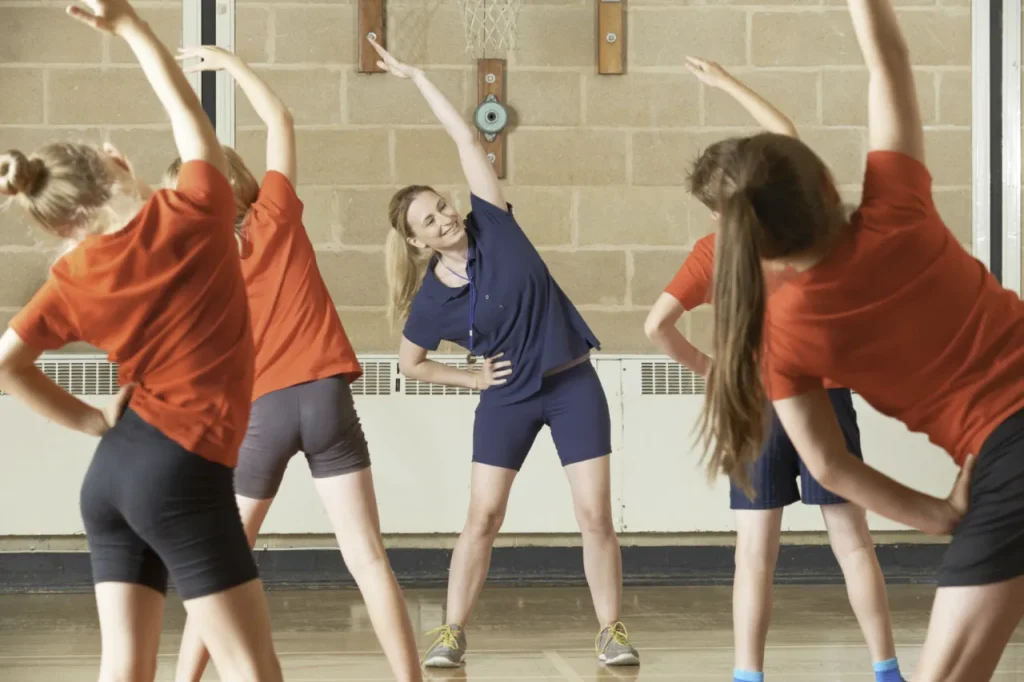
So, what’s the need and importance of physical education in our lives.
Quick Summary
Physical education is important because it:
- Improves physical health and fitness
- Supports mental health and emotional well-being
- Reduces the risk of obesity and lifestyle diseases
- Enhances academic performance and concentration
- Builds teamwork, leadership, and communication skills
- Improves self-esteem and confidence
- Encourages healthy lifestyle habits
- Promotes lifelong physical activity
- Quick Summary
- Why Is Physical Education Important
- Benefits of Physical Education by Age Group
- Recommended Physical Activity Levels
- Life Skills Developed Through Physical Education
- Career Opportunities Related to Physical Education
- Physical Education vs Physical Activity
- Why Physical Education Matters
- Challenges Facing Physical Education Today
- Why Is Physical Education Important for Students?
- Physical Education and Mental Health
- FAQs – Why Is Physical Education Important
- Final Words
Why Is Physical Education Important
A great deal of difference comes up between physically active and inactive students to adults. Physical education takes students away from smartphones and video games. Those who have undergone physical education are more physically agile than twice those who didn’t, suggest research. Here are the following benefits of physical education for students:
Healthy body
Make sure lessons in physical education are according to various age groups. Activity planning shouldn’t swamp the students. Very advanced skills or requirements should be in the curriculum. Instead, physical education instructors should know when to push their students to do better. They can help students improve physical strength and stamina through physical education, especially at young ages. It enhances students’ motor development and promotes physical fitness, allowing them to stay active, healthy, and fit both inside and outside school. Moreover, it helps them create a lifelong fitness mindset and understand the importance of exercise.
Physical education reduces the risk of obesity, heart disease, and diabetes. In addition, regular physical activity reduces the chances of a few common cancers. Cancer patients can do regular exercise to stay fit and live a better lifestyle.
Regular physical activity can reduce the risk of several chronic diseases and improve overall health.
Students acquire various essential skills through physical education. PE teachers can teach students the importance of physical education during school hours. In addition, students learn about their body parts and care. Thus, they can take care of themselves and their teammates.
Healthy brain
Regular exercise contributes significantly to students’ emotional health, confidence, and overall well-being.
Moderate to intense physical activity is vital for brain health, mental health, and overall mental well-being. In addition, it enhances the cognitive development of children aged 6 to 13 years and reduces general anxiety disorder in adults.
Thus, you build a fitness mindset in students, and they do exercises to live a healthy and active life.
Several studies show physically inactive and lazy children have a high risk of sleep disorders. Conversely, physically active children have healthy sleep patterns and thus respond better to stress and anxiety. In addition, they gain better immune system functioning, good mental health, and social well-being.

Physical Education in the Digital Age
Physical education helps combat the growing problem of sedentary lifestyles caused by excessive screen time and reduced outdoor activity.
Children and teenagers spend more time than ever using smartphones, computers, tablets, and gaming devices. Regular physical education helps balance screen time by encouraging movement, exercise, outdoor activities, and social interaction.
Physical activity can also reduce digital fatigue, improve attention spans, and support better mental health in an increasingly technology-driven world.
Nourishment and a healthy diet
Another benefit of physical education is students learn about a healthy and balanced diet. So they eat healthy food to gain energy for their sports.
No educator can deny the importance of a healthy diet and complete nutrition for school-going children. Physical education helps children develop healthy habits, including balanced nutrition, hydration, regular exercise, and proper rest.
Growing children need nourishment, so they must take a healthy diet and know how it befits their health. Moreover, they learn about nutrition guidelines that help them plan healthy and nutrient-rich diets accordingly.
Better academic performance
Research suggests that regular physical activity may improve concentration, memory, classroom behavior, and executive functioning skills, all of which contribute to better academic outcomes.
Physical education helps in achieving better academic results. Children forget their stress after playing their favorite outdoor game. Students who play sports are more likely to stay on good behavior, never lose focus in class, and be disciplined. They can control complex emotions through physical education, sports, and physical activities and relax their minds to attain calmness.
Most physical exercises that students do in their schools expect a higher concentration level, which improves good behavior and studies. In addition, this concentration power helps them obtain good grades in academics and medals in sports. After all, a healthy mind lives in a healthy body.
Improved Classroom Behavior
Physical education can help students develop self-discipline, patience, focus, and emotional regulation. Students who participate regularly in physical activities often demonstrate better classroom behavior, improved attendance, and stronger engagement with learning activities.
High stamina
A physically inactive child might be a victim of functional limitations. He can be slow in performing his daily routine work, playing with other children, climbing upstairs, jumping, or running.
Stay physically active to avoid your functional limitations. Unfortunately, middle-aged and older people have a high risk of such functional limitations.
Poor nutrition may result in low bone density and high fracture risk. On the other hand, exercise can help improve physical work and diminish the dangers of falls.
Aerobics, stretching, running, warming up, and muscle strengthening are some physical exercises that anyone can do.
Any physical exercise requires professional training, so we recommend joining a physical training program for exclusive benefits. Proper guidance from a coach will help students to grow and learn faster.
Prosocial behavior
Physical education also helps students develop essential life skills such as teamwork, leadership, communication, responsibility, and problem-solving.
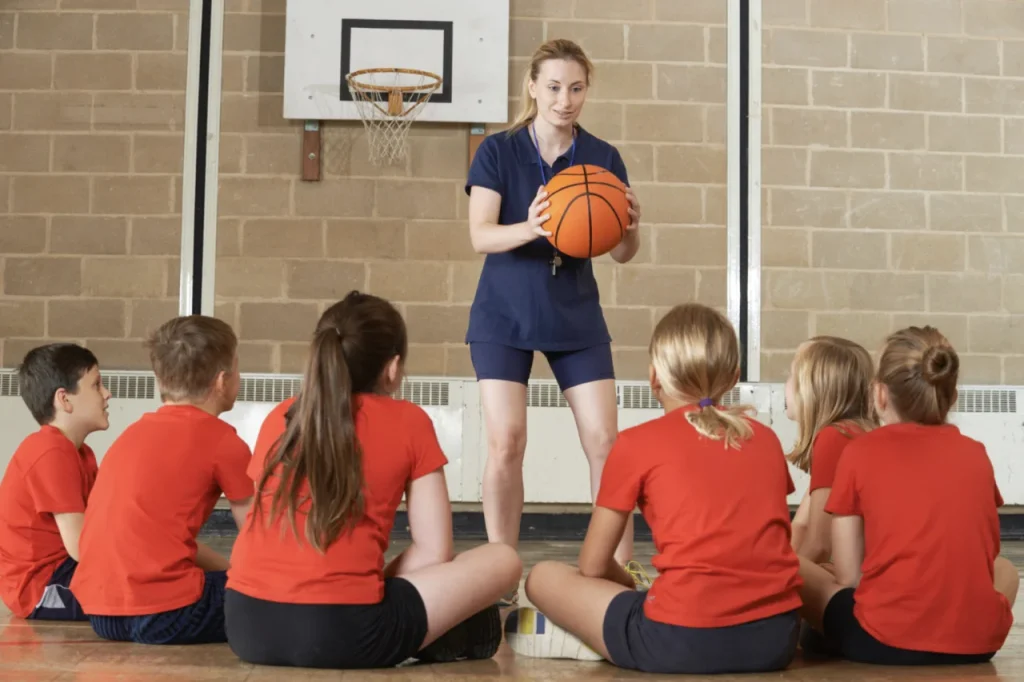
Students earn a sense of team spirit, cooperation, and identity through physical education at a young age. They learn to adjust and adapt quickly to any diverse environment. A sense of responsibility develops for other team members.
Educating prosocial behaviors to students benefits developing healthy interactions and relationships. In addition, students learn social and communication skills, which enhances their overall personality.
Peer relationships are pretty influential during the adolescence period. Hence, acquiring the basics of popular sports helps them fit within the same age groups. Furthermore, mastering more than one sport develops their overall personality. So, they think outside the box, outside their classroom, and pursue their passions.
As a result, they find better opportunities to make their careers in one of these sports. So, working upon essential skills required to pursue their real passion within the sporting industry.
Self-esteem
Being a part of team sports substantiates leadership qualities and sportsmanship in a well-structured setting. In addition, after playing different team roles, they gain new skills and learn to respect their peers. Thus, a sense of kindness, understanding, and support helps them cooperate with other players.
A handshake, a high five from another teammate, and a pat on the back are a few gestures that build confidence and team spirit. Likewise, appreciation from coaches and team members brings satisfaction and self-esteem. All this helps children believe they can improve their aptitudes and capacities to do better in the field.
Students understand the mindset of self-esteem is independent of results, winning or losing. Participation in a game, being a part of the team, and learning something new should be their objective. Learning from every win or loss is very important. Constructive criticism makes room for improvement for our little players, whether in sports or academics.
Ethical traits
Individual and team sports enhance children’s innate abilities. They learn self-discipline and become goal-oriented. They understand that winning or losing is only a part of the game and can’t win every time. So there should not be a place for any discomfort or discouragement. Irrespective of the disappointing result, they take charge and encourage team members to maintain team spirit.
Disputes and arguments regularly emerge in sports, and only following work ethics can diminish them. The vital part of any sport is discipline, whether mental or physical, depending upon the situation. Students must follow the sport’s rules, coach’s guidelines, and referee’s decisions. As a player, they learn to accept an occasionally wrong decision of an umpire. Which they usually do not approve of. Such inconvenient situations help them learn patience, understanding, and discipline, which benefits them for the rest of their lives.
Thus, sports develop qualities of volunteering, leadership, teamwork, compassion, and goodwill among our children.
Refreshment
Taking breaks from study and regular work is necessary. Even we cool down a machine to prevent any failure. Thus, our children need a break from their studies. Humans or machines are all vulnerable to this repetitiveness, especially young minds. Students focusing only on academics require multiple breaks during their school hours. These young minds can reduce their stress through physical education. They can also refresh their minds and burn up the excess vitality causing boredom. Sports and other activities make students more attentive and minimize chaos in the classroom.
Live longer
We have to adopt a healthy lifestyle to increase our lifespan. Even moderate exercise can change your life completely. For example, those who walk daily have fewer chances of premature death. So, how many steps are sufficient for children, adolescents, adults, and older people.
Modern physical activity guidelines recommend that children and adolescents engage in at least 60 minutes of moderate-to-vigorous physical activity daily to support healthy growth and development.
- Children: 14000-15000 steps per day
- Adolescents: Boys: 13000-15000 steps & Girls 11000-12000 steps per day
- Adults: 8000-10000 steps per day
- Older: 6000-8000 steps per day
Everybody can have a healthy lifestyle and live longer. Only do regular exercise and walk steps given above.
Benefits of Physical Education by Age Group
Children
- Develop motor skills
- Build healthy habits
- Improve coordination
Teenagers
- Improve lifelong fitness and confidence
- Reduce stress and anxiety
- Develop teamwork and leadership skills
Adults
- Maintain physical health
- Reduce lifestyle disease risks
- Improve mental well-being
Older Adults
- Improve balance and mobility
- Maintain independence
- Support healthy aging
Recommended Physical Activity Levels
According to global health recommendations, children and adolescents should engage in at least 60 minutes of moderate-to-vigorous physical activity daily. Adults should aim for at least 150 minutes of moderate-intensity physical activity each week.
Regular activity helps improve cardiovascular health, muscle strength, mental well-being, and overall quality of life.
Life Skills Developed Through Physical Education
Physical education teaches many valuable life skills, including:
- Leadership
- Teamwork
- Communication
- Problem-solving
- Time management
- Goal setting
- Resilience
- Sportsmanship
These skills can benefit students throughout their academic, professional, and personal lives.
Career Opportunities Related to Physical Education
Physical education can open doors to various careers, including:
- Sports coaching
- Fitness training
- Physical therapy
- Sports management
- Sports journalism
- Athletic training
- Recreation management
- Physical education teaching
Students who develop a passion for sports and lifelong fitness can pursue rewarding careers in these fields.
Physical Education vs Physical Activity
Many people confuse physical education with physical activity, but they are not the same.
Physical activity refers to any movement that uses energy, such as walking, running, cycling, or playing sports.
Physical education (PE) is a structured educational program that teaches students physical skills, fitness concepts, teamwork, sportsmanship, and healthy lifestyle habits.
In simple terms, physical activity is something you do, while physical education is something you learn.
Why Physical Education Matters
| Area | Benefits |
|---|---|
| Physical Health | Fitness, stamina, strength |
| Mental Health | Reduced stress and anxiety |
| Academics | Better concentration |
| Social Skills | Teamwork and communication |
| Lifestyle | Healthy habits |
| Personal Growth | Confidence and self-esteem |
Challenges Facing Physical Education Today
Despite its benefits, physical education faces several challenges:
- Increased screen time among children
- Sedentary lifestyles
- Reduced outdoor play opportunities
- Limited school resources
- Academic pressure reducing activity time
- Lack of access to sports facilities in some communities
Addressing these challenges is essential to improve student health and well-being.
Why Is Physical Education Important for Students?
Physical education is important for students because it promotes physical fitness, mental well-being, social development, self-confidence, discipline, and healthy lifestyle habits. It also helps students perform better academically and prepares them for a healthier future.
Physical Education and Mental Health
Regular physical activity can reduce stress, anxiety, and symptoms of depression. Exercise encourages the release of endorphins, which help improve mood and emotional well-being.
Students who participate in physical education often develop healthier coping mechanisms and stronger resilience when facing academic and personal challenges.
FAQs – Why Is Physical Education Important
Final Words
Now, you know how important is physical education, but the patterns around the world are exasperating. Therefore, schools must take physical education seriously. Teachers, parents, and students should understand the importance of physical education.
Many schools worldwide continue to face challenges in allocating sufficient time and resources for physical education despite growing evidence of its benefits.
Students who do less physical activities are at high health risks. So the cases of children who are physically inactive may face a higher risk of obesity, poor fitness, stress, and long-term health problems later in life. In addition, children might have bad eating habits and violent behaviors, and tobacco, drug, and liquor addiction. Physical education keeps them away from these deadly habits.
A daily walk for twenty minutes stimulates the mind. As a result, these students perform better academically because their brains function better comparatively. They also stay active during school hours and outside the campus.
Most people think physical education is a waste of time. This mentality needs to change. Exercise directly affects our brain. Regular exercise supports brain function, memory, learning ability, and cognitive development. As well you can control heart rates. After that, we can maintain the mood swing, manage stress, hone our talent, and work efficiently.
After reading this article, we all know – why is physical education a student’s most important subject. Do you have your opinion about this article? Kindly let us know through your comment.
